
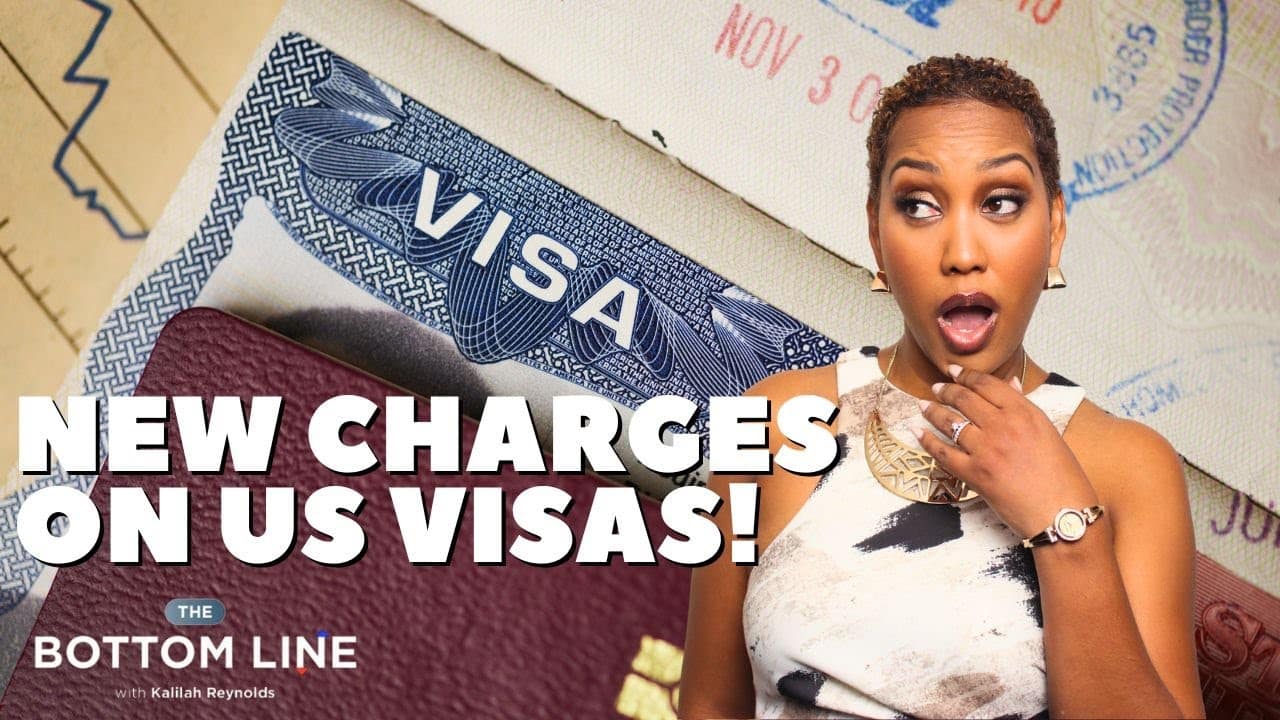
Donald Trump just made it a whole lot more expensive to travel to the United States.
On July 4, the U.S. passed a sweeping new budget bill—nicknamed Trump’s “One Big Beautiful Bill.” The nearly 900-page legislation includes a wide range of changes, some of which are sending shockwaves through the Caribbean.
This is the same bill that sparked a very public spat between Trump and Tesla CEO Elon Musk. Musk called the bill “a disgusting abomination,” while Trump fired back, saying Musk was just upset because the bill cuts subsidies for electric vehicles. Drama aside, this bill is now law—and it’s got real consequences.
🛂 US Visas Now Come With a New Integrity Fee
One of the biggest changes? A new $250 “Integrity Fee” will now be added to all non-immigrant U.S. visas—that means tourist, student, and work visas.
This fee is in addition to the current $185 visa application fee, bringing the total cost to $435 USD.
The Department of Homeland Security will collect this integrity fee once a visa is issued, and here’s the kicker—it’s generally non-refundable. There is an option to apply for a refund only if the visa holder fully complies with the terms of the visa (i.e., they return home on time). But there’s no clear system yet for how or when that refund would happen—and let’s be honest, we all know it could take ages.
💸 New 1% Tax on Remittances Starting 2026
Also buried in the bill is a new 1% tax on remittances—yes, those Western Union and MoneyGram transfers that so many Caribbean families rely on. The original version of the bill called for a whopping 5%, but it was eventually reduced to 1% before passage.
Still, given the massive volume of remittances sent to the Caribbean each year, this new tax could take a real toll on households that depend on money from relatives overseas.
The tax is set to go into effect in January 2026.
📉 What About the US Economy—and Ours?
The bill also makes several Trump-era tax cuts permanent and slashes funding to some U.S. healthcare programs. But perhaps most significantly, it adds roughly $3 trillion to the U.S. national debt over the next decade.
Why should we care? Because rising U.S. debt may trigger higher interest rates, which would likely push up borrowing costs here in the Caribbean as well. The Bank of Jamaica and other regional central banks closely watch U.S. rates when setting their own. When the U.S. hikes rates, we usually follow—meaning higher loan rates, mortgage rates, and credit card interest for everyday Caribbean people.