
‘She Abandoned Us’ – Family of Elderly Woman Found Mummified Speaks
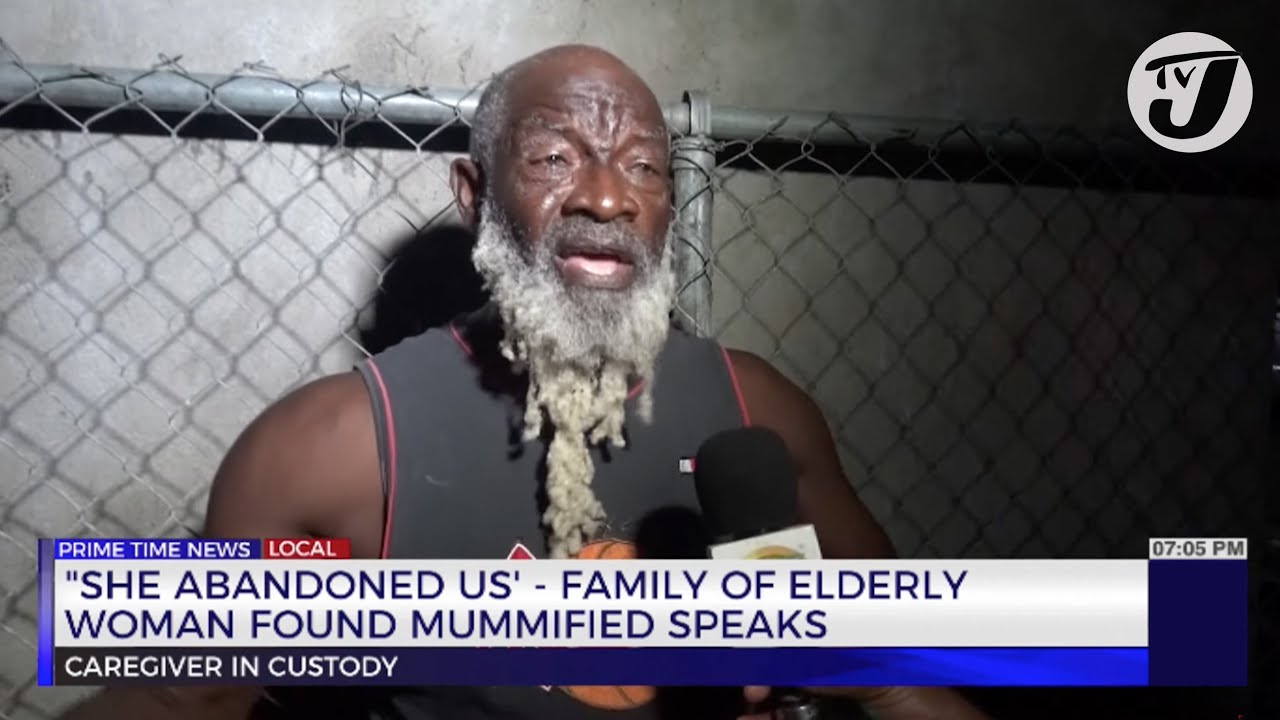
In a story that has captured national attention, the Jamaican public was stunned by the discovery of the preserved body of Vitalella “Viola” Don, an elderly woman who reportedly died two years ago at a home in Old Hope, Little London. The unsettling revelation has triggered a wave of criticism and speculation about whether Ms. Don’s family had neglected her in her final years.
However, in an exclusive follow-up by TVJ News, Ms. Don’s family has firmly rejected those claims, saying they did all they could for their beloved relative.
Her brother, Hartley Dist, explained that Ms. Don was initially being cared for at her own home in Good Hope, Little London. Given the difficulty of travel and logistics, she later moved in with two women who offered to care for her. According to Mr. Dist, the arrangement was intended to ensure she received better care, not abandonment.
But communication soon broke down. The family said they struggled to maintain contact with Ms. Don after she moved. A sister reportedly questioned the caregivers in 2023 but was told that their “spirit” did not align with hers—a cryptic and culturally sensitive explanation that left the family at a loss.
Even more troubling, repeated attempts to reach Ms. Don by phone were unsuccessful. The last confirmed sighting of her was in December 2024, and the family insists that they made efforts to locate her, even seeking police assistance. However, the family claims the police advised them that they needed to establish the last known location of Ms. Don before filing an official missing person report.
Ms. Don’s niece, speaking off-camera, passionately defended the family’s actions. She said her aunt had not been abandoned but had effectively chosen to sever ties. According to her, Ms. Don refused to leave with her when she tried to take her home from the Negril Clinic in 2023, and after that, efforts to locate her were fruitless.
For the family, the news of her death—and the shocking way it was discovered—was devastating. “Disbelief at first. Shock. Yes,” said the niece, describing how difficult it has been to process the situation.
Local residents also expressed sadness and disbelief. Neighbors remembered Ms. Don as a hardworking woman who was always friendly, even if not talkative. One neighbor said they had last seen her four years ago and couldn’t comprehend that she had been dead for two years with no word.
Now, the family is trying to heal and bring closure. They have announced plans to cremate Ms. Don’s remains and hold a memorial service in her honor.
This case raises difficult but necessary questions for Jamaica’s communities and families: How do we better support our elderly, especially when their care extends beyond immediate relatives? What safeguards should be in place when a vulnerable person is entrusted to non-family caregivers? And how can families navigate cultural sensitivities while ensuring transparency and accountability?
While the investigation continues, one thing is clear: the story of Vitalella Don is a tragic reminder of the importance of staying connected, asking questions, and looking out for each other—especially for those who may be most at risk.
Share Now: